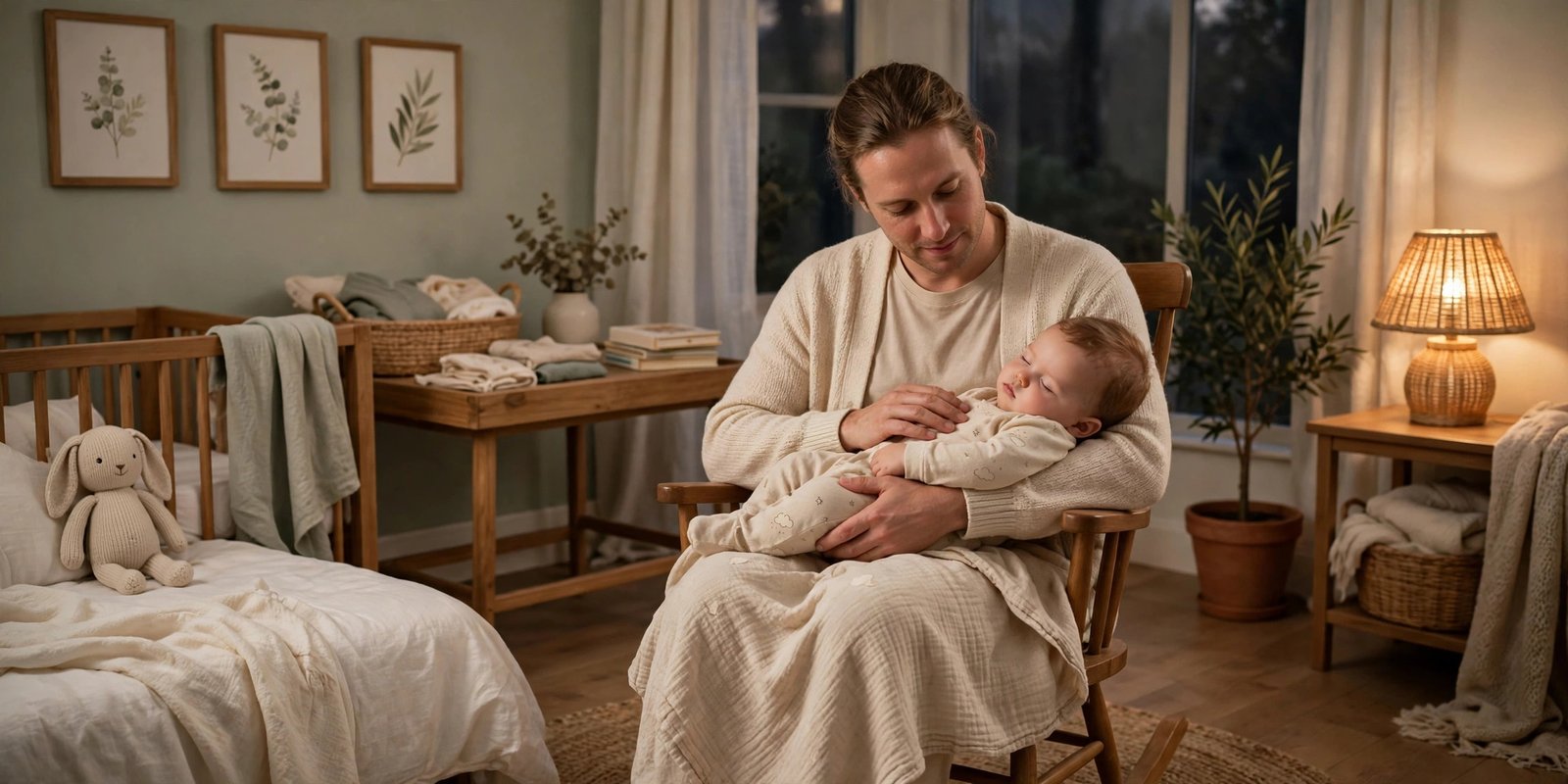
For many parents, the pacifier is a lifesaver in the early months. It soothes a fussy baby, helps them fall asleep, and gives everyone a little peace. But there comes a point when you start to wonder whether it is time to say goodbye to it. Weaning your baby off a pacifier does not have to be a battle. With the right timing and a gentle approach, most babies adjust within a week or two.
This guide explains when to start, which method tends to work best, and how to handle the tricky nights in between. For more everyday baby care advice, visit the Healthy Baby Guide homepage.
When Is the Right Time to Wean Off the Pacifier?
Most health professionals suggest starting between 6 and 12 months, though many families wait until their child is 2 or 3 years old. There is no single perfect age. The right time is when your baby is healthy, settled, and not going through another big change such as starting nursery or moving house.
There are a few signs your baby may be ready:
- They only want the pacifier at sleep times, not all day.
- They can be comforted in other ways, such as rocking or a favourite blanket.
- They are less interested in it and often spit it out on their own.
If your baby is teething, ill, or going through a sleep regression, wait. Trying to remove a comfort object during a stressful period usually makes things harder for everyone.
Choose Your Method: Gradual or Cold Turkey
The gradual method
This is the gentlest option and the one most parents find easiest. Start by limiting the pacifier to sleep times only — no pacifier during play, in the car, or around the house. After a few days, remove it from nap time first, keeping it only for bedtime. Finally, drop the bedtime pacifier too. Each step gives your baby time to learn new ways to self-soothe.
The cold turkey method
Some parents prefer to remove the pacifier all at once. This can mean two or three difficult nights, but many babies then forget about it surprisingly quickly. If you choose this route, commit fully — giving it back after a night of crying teaches your baby that crying long enough brings it back.
Neither method is better than the other. The best one is the one you can stick with consistently.
Practical Tips That Make It Easier
Replace the pacifier with another comfort. A soft toy, a muslin cloth, or a consistent bedtime routine can fill the gap. Keep bedtime calm and predictable: bath, story, lullaby, bed. A familiar routine signals sleep just as strongly as a pacifier once did.
For older toddlers, a little ceremony can help. Some families have a “pacifier fairy” who collects the pacifiers and leaves a small gift, or they let the child “give” them to a new baby in the family. Toddlers understand stories and rituals far better than explanations.
Expect some protest. Crying for a few nights is normal and does not mean you are doing something wrong. Stay calm, comfort your baby with cuddles and gentle words, and avoid reintroducing the pacifier out of guilt.
What If Your Baby Keeps Asking for It?
Stay consistent but kind. If your toddler asks for the pacifier during the day, distract them with play, a snack, or a walk. At night, sit beside the cot and soothe them until they settle. Most babies stop asking within a week once they realise the answer is not going to change.
If weaning is causing extreme distress for more than two weeks, or your baby is refusing feeds or losing sleep badly, pause and try again in a month. There is no harm in waiting — pacifier use in the early years is normal and common.
The Bottom Line
Weaning off a pacifier is a small milestone, not a test. Pick a calm week, choose a method you can follow through on, and give your baby plenty of comfort in other forms. With patience and consistency, most babies move on quickly — and parents usually find the nights get easier, not harder, once the pacifier is gone for good.