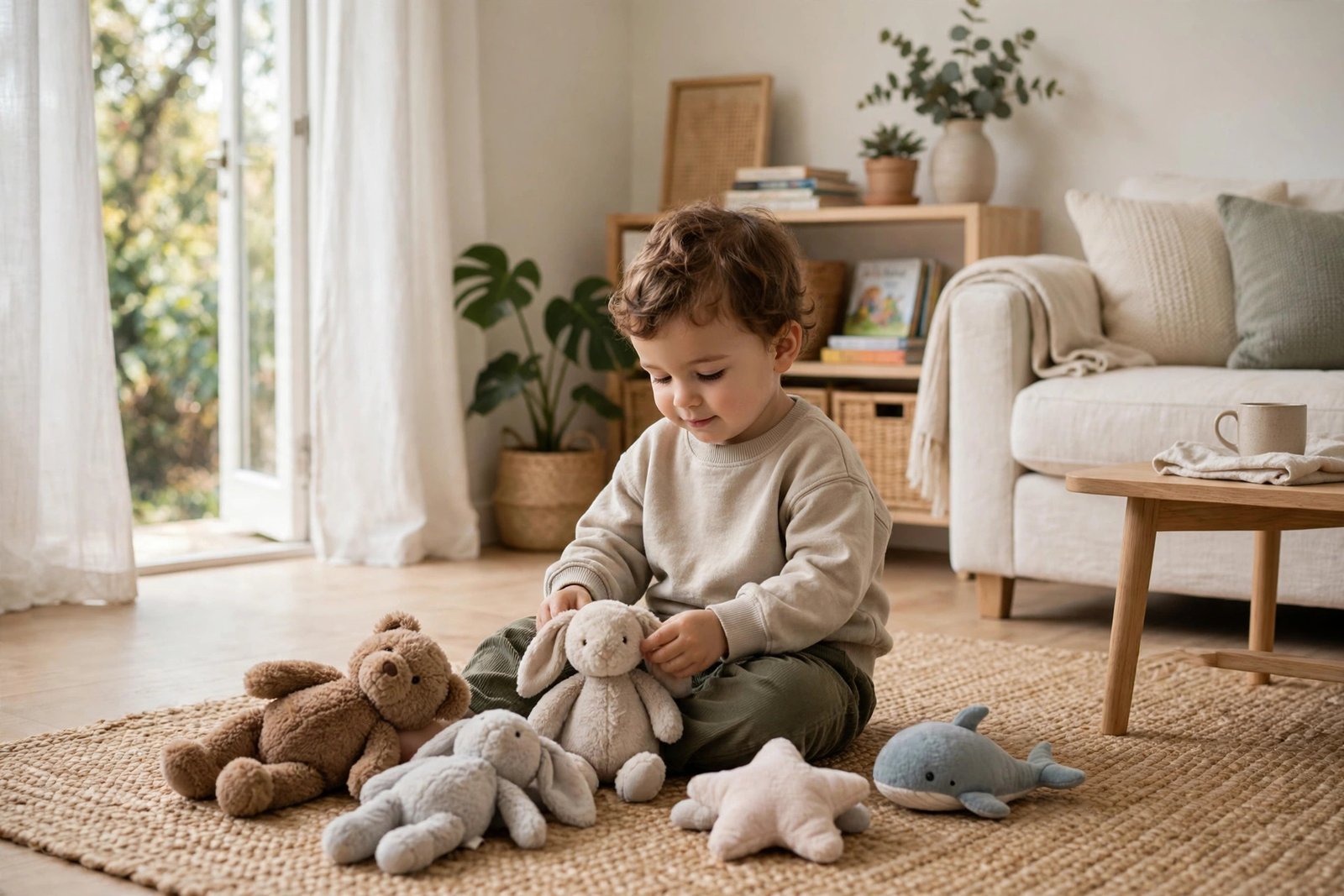
Why Toddlers Bite
Biting is one of the most upsetting toddler behaviours for parents, and also one of the most common. Most toddlers who bite are not being naughty or aggressive in the adult sense. They are usually frustrated, overtired, overexcited, teething, or simply unable to say what they want yet. A toddler who bites when another child takes a toy is often saying, in the only way they can, “That was mine and I am upset.” Understanding that does not make biting acceptable, but it does change how we respond: calmly, consistently, and with teaching rather than punishment.
Biting tends to peak between the ages of one and three, when language is still developing and big feelings arrive faster than words. Some children bite when they are hungry or tired, some when play gets too rough, and some when they want attention. Teething discomfort can also play a part. Watching for patterns helps enormously. If biting mostly happens just before nap time, tiredness is a likely trigger. If it happens during busy play, overstimulation may be the cause. A short note of when biting happens, kept for a week, often reveals a clear pattern you can work with.
What to Do in the Moment
When biting happens, stay calm even if you feel shocked or embarrassed. A big, dramatic reaction can accidentally reward the behaviour with attention, while shouting or biting back teaches the child that biting is how strong feelings are handled. Instead, act quickly and simply. Move gently between the children if needed, check the child who was bitten, and give them comfort first. Then turn to the child who bit and say, in a firm, calm voice, “No biting. Biting hurts.” Keep it short. Long explanations are lost on a toddler in the heat of the moment.
Comfort the bitten child, clean the area if the skin is broken, and watch for any swelling or redness over the next day. If skin is broken, wash gently with soap and water. Most toddler bites are not serious, but seek medical advice if the bite is deep, very swollen, or does not improve. At nursery or daycare, tell staff what happened honestly and ask how they handle it, so home and childcare stay consistent.
Teaching Alternatives, Calmly and Repeatedly
Stopping biting is really about teaching a replacement skill. Toddlers need words and actions they can use instead. Practise simple phrases during calm moments, not just after an incident: “My turn,” “Stop, please,” or “I need help.” Even a child with few words can learn to point, stamp a foot, or come to an adult for help. Praise these alternatives warmly when you see them. “You asked for help instead of biting — well done” teaches far more than scolding after the event.
Also give safe outlets for the physical urge. A teething ring, a chewy toy, or crunchy food can help a child who bites partly because of mouth discomfort. Active play, running, and climbing let off steam before frustration builds. And keep routines steady: regular meals, naps, and calm wind-down time reduce the tired, hungry states in which biting is most likely.
Preventing the Next Bite
- Watch for warning signs — tensing up, grabbing, or a frustrated cry — and step in early with a distraction or a choice.
- Keep playgroups small and supervised, with enough toys to go around so sharing battles are less intense.
- Teach turn-taking through games: rolling a ball back and forth, or taking turns with a simple toy.
- Avoid labelling the child as “a biter” in front of others; labels stick and can become a self-fulfilling identity.
- Be consistent. Every adult who cares for the child should respond the same calm way, every time.
When to Seek Extra Help
Most toddler biting fades as language grows, usually well before school age. It is worth talking to your health visitor or paediatrician if biting is frequent and intense, continues past age three or four, causes injuries, or comes with other concerns such as delayed speech, very limited social interaction, or extreme difficulty calming down. There is no shame in asking — professionals see this often and can suggest strategies tailored to your child.
Above all, be patient with yourself as well as your child. Biting can feel embarrassing, especially in public, but it is a phase, not a verdict on your parenting. Respond calmly, teach the words your toddler does not have yet, and keep the routine steady. With consistency and time, most children learn kinder ways to say what they feel. For more guidance on everyday toddler behaviour, visit the Healthy Baby Guide homepage.