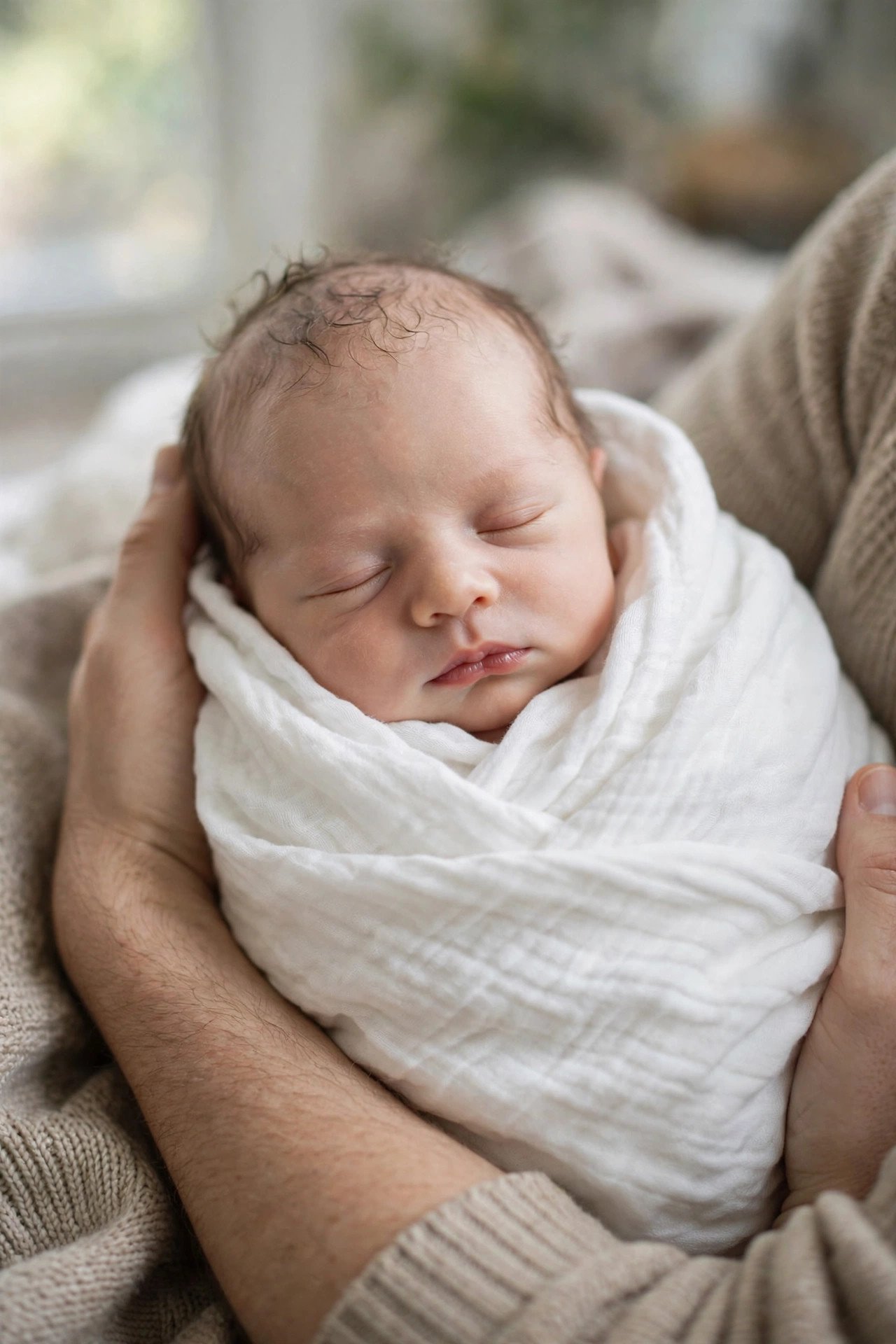
Achoo! Your newborn just sneezed for the fifth time this morning — and now you’re wondering whether something is wrong. Take a breath: frequent sneezing in newborns is almost always completely normal. Here’s why babies sneeze so much, when it’s just their tiny airways doing their job, and the rare signs that mean you should call the doctor.
Why newborns sneeze so often
Their noses are tiny and still clearing out
Newborns have very small nasal passages — the narrowest airways they will ever have. Any tiny particle of dust, lint, or dried mucus can tickle the nose and trigger a sneeze. During birth, babies also swallow and inhale amniotic fluid, and sneezing is one way their body clears the last of it from the nose and airways in the first days and weeks.
Sneezing is how they clean their nose
Unlike older children and adults, newborns cannot blow their noses. Sneezing is their built-in cleaning system — a quick, forceful way to push out mucus, milk that went up the wrong way, or airborne irritants. A cluster of sneezes after a feed, after being outdoors, or when someone wears strong perfume is simply the system working as designed.
Mouth breathers they are not
Babies under about 3 to 4 months are obligate nose breathers — they breathe almost entirely through their noses, especially while feeding. Because the nose does all the work, it gets irritated more easily, and the sneeze reflex fires more often than it does in adults.
Everyday triggers of newborn sneezing
- Dry air — heated or air-conditioned rooms dry out nasal passages. A cool-mist humidifier in the nursery often reduces sneezing noticeably.
- Irritants in the air — cigarette smoke, strong perfumes, cleaning-product fumes, and pet dander can all set off sneezes. Keep the baby’s space smoke-free and lightly scented.
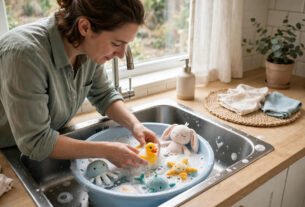
- Dust and lint — blankets, stuffed toys, and unwashed new clothes shed fibres. Wash bedding and baby clothes before first use.
- Bright light — the photic sneeze reflex runs in families; some babies (and adults) sneeze when stepping into bright sunlight. It’s harmless.
- After feeds — a little milk refluxing toward the nose can trigger a sneeze or two. Keeping your baby upright after feeds helps.
What you can do about it
Usually, nothing is needed. But if the sneezing seems linked to dryness or a stuffy nose, a few gentle steps help: run a cool-mist humidifier in the baby’s room, keep the nursery dust-free with regular damp dusting, avoid scented products near the baby, and use a saline nose spray or drops (made for infants) followed by a nasal aspirator only if congestion is actually bothering the baby — not for sneezing alone.
A note on allergies
Many parents wonder whether frequent sneezing means their newborn has allergies. True allergies are very uncommon in the first months of life — a baby’s immune system needs repeated exposure to develop them. If sneezing comes with itchy, watery eyes and a constantly runny nose over many weeks, mention it at a check-up, but isolated sneezing in a young newborn is not an allergy.
When sneezing needs a doctor’s look
Sneezing by itself, in a baby who feeds well and is alert and comfortable, is not a reason to worry. Call your paediatrician if the sneezing comes with any of these:
- Fever (100.4°F / 38°C or higher in a baby under 3 months is always a call-the-doctor sign)
- Trouble breathing, wheezing, or flaring nostrils
- Persistent cough or a runny nose with thick yellow-green mucus
- Poor feeding, unusual sleepiness, or fewer wet nappies than usual
- Sneezing that started after a known illness exposure and keeps getting worse
New parenthood comes with a thousand small worries, and “is this normal?” is the most common question of all. For reassurance on everyday newborn questions like this one, the baby care articles at healthybabyguide.com are written in plain language for real parents. Chances are your sneezing newborn is perfectly fine — just keep the tissues handy and enjoy those tiny achoos.