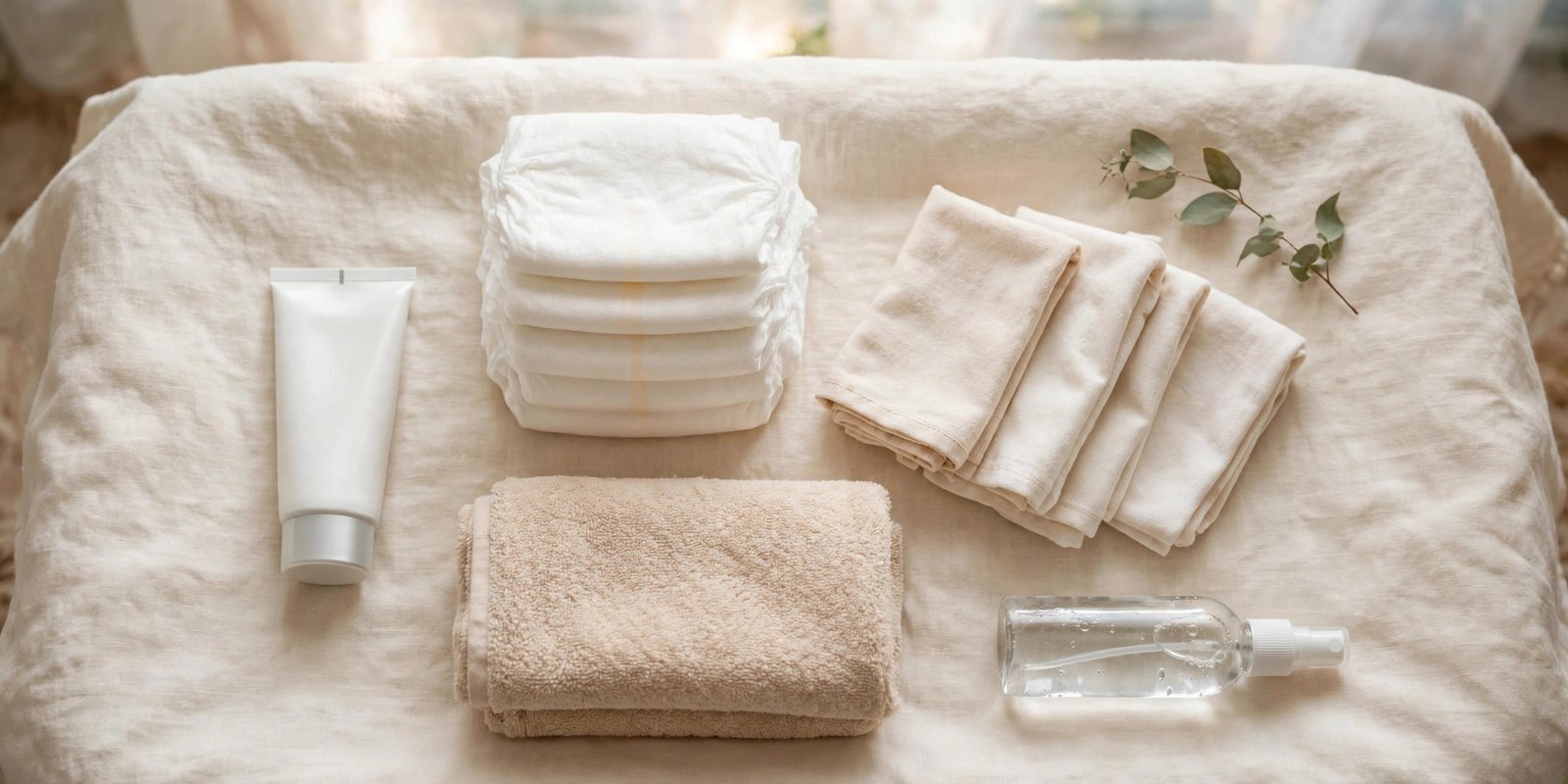
Few things upset parents more than a diaper rash that turns angry, red, and painful. When the usual cream and frequent changes stop working and your baby is crying at every diaper change, you need a plan that works fast. Severe diaper rash can be managed at home in most cases — here’s exactly how to treat severe diaper rash quickly and get your baby comfortable again.
First: recognize what severe diaper rash looks like
A typical mild rash is pink and patchy. A severe rash is different: bright red or raw-looking skin, swelling, blisters or open sores, and sometimes yellowish patches that suggest a fungal infection. If your baby cries when you wipe them, flinches at touch, or the rash doesn’t improve within 2 to 3 days of good care, treat it as severe and act.
Call your pediatrician if you notice blisters, pus, bleeding, or a rash that spreads beyond the diaper area. A yeast infection needs an antifungal cream, and a bacterial infection may need prescription treatment — barrier cream alone won’t fix those.
Step 1: Change diapers more often
This is the single biggest lever. Wetness and stool sitting against the skin is what made the rash severe in the first place. Check the diaper every 1 to 2 hours during the day, and change immediately after every bowel movement — even at night. Set a timer if you need to. Frequent changes are boring advice, but they are genuinely the fastest way to start healing.
Step 2: Switch to gentle, water-based cleaning
Standard wipes with fragrance and alcohol can sting raw skin badly. For a severe rash, switch to rinsing with plain lukewarm water. You can use a soft cloth, cotton balls, or a peri bottle to rinse gently, then pat — never rub — the skin dry. Let the skin air-dry for a few minutes before putting on a fresh diaper. If you must use wipes, choose fragrance-free, alcohol-free ones and use them lightly.
Step 3: Give the skin real airtime
Air is one of the fastest healers for diaper rash. Let your baby spend as much time diaper-free as possible — 10 to 15 minutes several times a day, on a waterproof mat or an old towel. Even short airtime sessions several times a day make a visible difference within a day or two. If you can manage longer stretches, even better.
Step 4: Apply a thick barrier cream — generously
With severe rash, don’t be shy with the cream. Apply a thick layer of a zinc oxide-based diaper cream (at least 10-15% zinc oxide, or up to 40% for severe cases) like a frosting layer — so thick that you can still see the cream after application. The layer protects the damaged skin from moisture while it heals.
Tip: you don’t need to scrub off every trace of cream at each change. Gently wipe the stool away and leave the remaining cream in place, then add a fresh layer on top. This avoids irritating the raw skin with repeated wiping.
Step 5: Reconsider the diaper setup
While the rash heals, make sure diapers aren’t too tight — leave a little breathing room around the waist and legs. If your baby uses cloth diapers, switch to disposables temporarily; they’re more absorbent and keep skin drier. Some babies also react to specific diaper brands or scented products, so trying a different brand is worth it if rashes keep returning.
What about yeast or bacterial rashes?
Some rashes don’t respond to the steps above because they’re not ordinary irritation. A yeast rash (candida) usually appears as deep red patches with defined edges, sometimes with small red dots around them, and it tends to appear in the skin folds. If that sounds like what you’re seeing, or if the rash isn’t improving after 2 to 3 days of careful care, see your pediatrician — an antifungal cream like nystatin or clotrimazole will clear it quickly, but you need the right diagnosis first.
Preventing the next severe flare-up
Once the rash clears, keep the habits that healed it:
- Keep using a barrier cream at every change for a few more days, then continue with a thin layer at bedtime.
- Stick with fragrance-free wipes or water rinsing.
- Keep airtime in your routine — even 10 minutes a day helps.
- Change wet diapers promptly, especially overnight with a heavy-duty nighttime diaper.
For more baby skin and everyday care guides, explore the Healthy Baby Guide homepage for practical parenting articles you can trust.
The bottom line
Severe diaper rash heals fastest with frequent changes, water-only cleaning, generous zinc oxide cream, and real airtime — most babies show clear improvement within 48 hours. If the rash resists good care for more than a couple of days or shows signs of infection, don’t hesitate to call your pediatrician. Fast action now means a happier baby tonight.