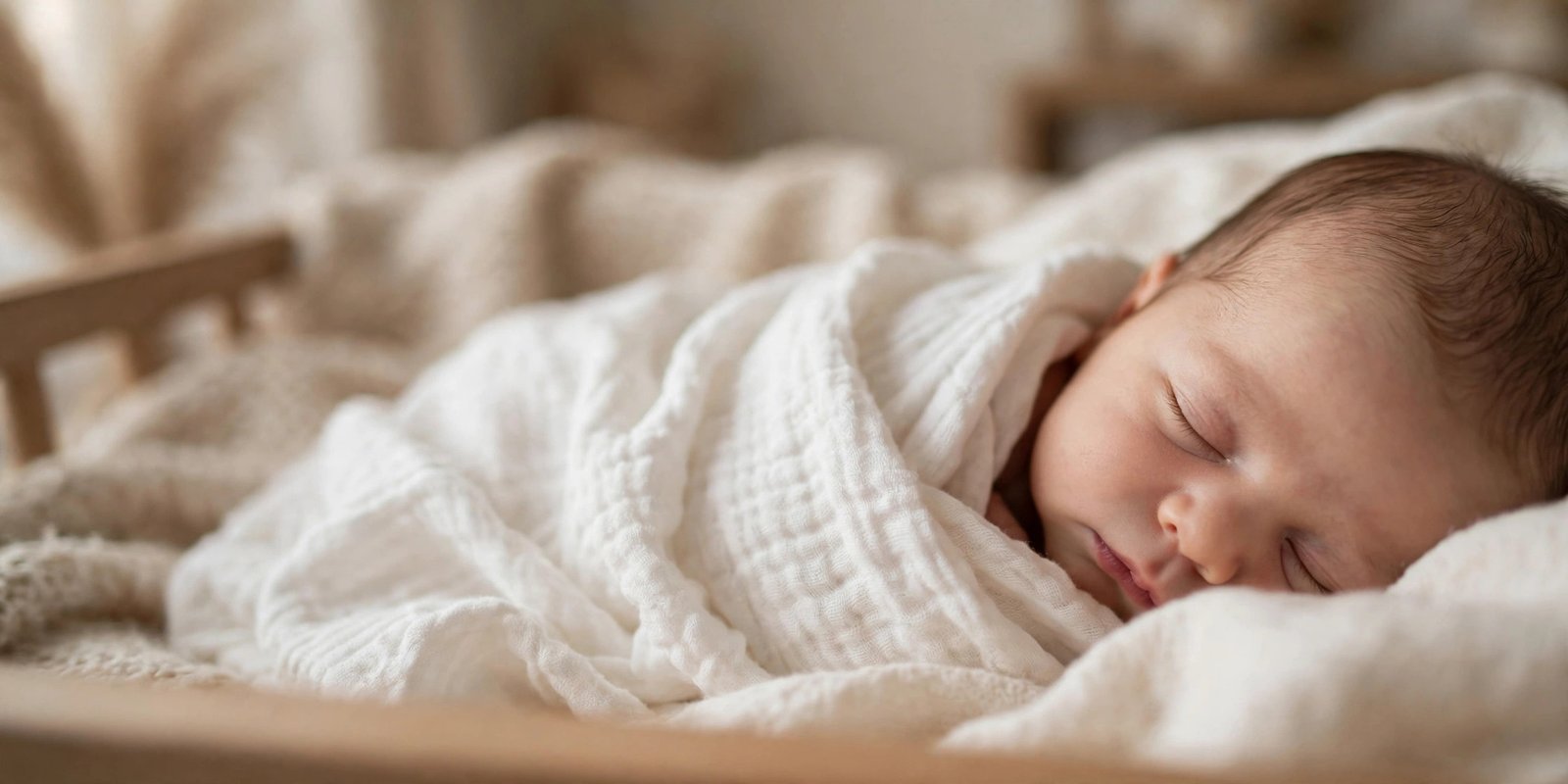
Those tiny red or white spots on your newborn’s cheeks can be alarming the first time you see them. Newborn baby acne is very common, affecting roughly one in five babies, and in most cases it is completely harmless. Understanding its causes and knowing how to care for your baby’s delicate skin will help you stay calm and avoid treatments that could make it worse.
What Is Newborn Baby Acne?
Newborn acne, sometimes called neonatal acne, usually appears in the first few weeks of life. It shows up as small red bumps, sometimes with tiny whiteheads, most often on the cheeks, forehead, nose, and chin. It can look worse when your baby is hot, upset, or has been crying, and it often comes and goes over a few weeks before clearing up on its own.
It is different from infantile acne, which appears later, usually after three months, and can leave marks. Newborn acne almost never leaves scars.
What Causes Newborn Baby Acne?
The most likely cause is hormones. During pregnancy, your baby is exposed to your hormones, and after birth those hormones can stimulate the oil glands in their skin. The extra oil, combined with skin cells that have not yet learned to shed properly, can block tiny pores and cause spots.
Other factors can make it look worse, even if they do not cause it directly:
- Heat and drooling: milk, saliva, and spit-up sitting on the skin can irritate it.
- Rough fabrics: scratchy blankets or clothing rubbing against the cheeks.
- Strong skincare products: scented lotions and oils can clog delicate newborn pores.
- Yeast on the skin: a normal skin yeast can sometimes add to the irritation, which is why a doctor may occasionally suggest an antifungal cream.
Safe Care for Newborn Baby Acne
The most important rule is to do less, not more. Newborn skin is thin and sensitive, and heavy treatment usually does more harm than good.
Keep It Clean and Dry
Wash your baby’s face once a day with lukewarm water and a soft cloth. Pat dry gently rather than rubbing. If you use a cleanser, choose a mild, fragrance-free baby wash and rinse it off fully.
Leave the Spots Alone
Do not squeeze, pick, or scrub the spots. This can break the skin, invite infection, and leave marks. The spots will fade on their own, usually within a few weeks to three months.
Skip Creams and Oils Unless Advised
Avoid adult acne creams, steroid creams, and heavily scented lotions. These are far too strong for newborn skin. A thin layer of plain, fragrance-free moisturiser is fine if the skin looks dry, but check with your health visitor first.
Protect the Skin
Change damp bibs and clothing promptly, wash bedding in a gentle, fragrance-free detergent, and keep your baby cool in warm weather. After feeds, wipe away milk or spit-up with a clean damp cloth.
When to See a Doctor
Most newborn acne needs no medical treatment at all. But do contact your GP or health visitor if you notice any of the following:
- The spots spread to the body or become filled with yellow pus.
- The skin around the spots is very red, swollen, or hot.
- Your baby develops a fever or seems unwell.
- The spots have not improved after three months.
- The acne appears after three months of age, which may be infantile acne and sometimes needs treatment.
Your doctor can tell the difference between newborn acne and other conditions such as eczema, heat rash, or a milk allergy, and will advise you if any treatment is needed.
The Bottom Line
Newborn baby acne is a normal, common part of early life. It is not caused by anything you did, and it is not a sign of poor hygiene. With gentle daily care and a little patience, it will almost always clear on its own, leaving your baby’s skin soft and clear. If you are ever unsure, your health visitor is the best person to ask. For more newborn care guides, explore our homepage.