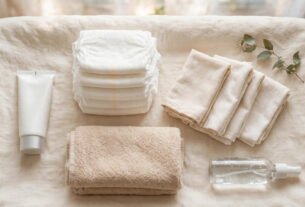
That tiny stump on your newborn’s tummy can look strange at first. It is the remains of the umbilical cord, and it is supposed to dry up, darken, and fall off on its own in the first couple of weeks. Until then, it needs gentle, simple care. New parents often worry about touching it or doing something wrong. The good news is that cord care is straightforward, and most cords heal without trouble. This guide explains newborn umbilical cord care, what is normal, and when to call for help.
What Is the Umbilical Cord Stump?
During pregnancy, the umbilical cord carried oxygen and nutrients from the placenta to your baby. After birth, the cord is clamped and cut, leaving a short stump of about 2 to 3 centimetres attached to the belly button. The stump has no nerves, so your baby will not feel pain when it is touched or cleaned.
Over the next 5 to 15 days, the stump dries out, shrivels, and turns from yellowish-green to brown or black. Then it drops off, leaving a small, slightly raw spot that heals within a few more days. If the stump is still attached after three weeks, mention it to your health visitor or paediatrician.
The Golden Rule: Keep It Clean and Dry
Modern cord care is simple: keep the stump clean and dry, and let air reach it. The stump heals best when it is not kept damp, covered in creams, or sealed under a tight nappy. Routine alcohol or antiseptic is no longer usually recommended for a healthy stump. Follow any specific advice your midwife gives you. For more newborn guidance, browse the Healthy Baby Guide homepage.
Step-by-Step Cord Care
Always wash your hands with soap and water before and after nappy changes and cord care. Fold the front of the nappy down below the stump, or use newborn nappies with a cut-out at the front. This keeps urine and stool away from the cord and lets air circulate. Change wet or soiled nappies promptly.
If the stump looks clean, leave it alone. If it is soiled, wash it gently with plain lukewarm water and a soft cotton pad, using mild, fragrance-free baby wash only if needed. Pat the area dry, and let it air dry for a few moments before putting a nappy or clothes back on. Loose, breathable clothing helps. Short baths are fine; just dry the stump thoroughly afterwards.
Do not apply creams, oils, talc, or home remedies unless a health professional has told you to. These can keep the area damp or irritate the skin. Do not pull, twist, or try to remove the stump, even if it looks as though it is hanging by a thread. It will fall off when it is ready, and pulling it early can cause bleeding and increase the risk of infection.
What Is Normal While the Cord Heals?
The stump changes colour as it dries, looks shrivelled, and may smell slightly musty. A mild smell on its own is often normal. A few drops of blood may appear when the stump falls off, or when a nappy rubs against it. A small spot on a nappy or vest is usually nothing to worry about. After the stump falls off, the belly button may look a little red or raw, with a small amount of clear or slightly bloody discharge for a few days.
Signs of Infection: When to Worry
Cord infections are uncommon when the stump is kept clean and dry, but they need prompt attention in a newborn. Contact your paediatrician, health visitor, midwife, or doctor the same day, or seek urgent care, if you notice:
- Redness or swelling spreading out from the base of the cord onto the tummy.
- The skin around the cord feels hot, swollen, or tender.
- Yellow or green pus, or discharge with a strong, unpleasant smell.
- Bleeding that does not stop with gentle pressure, or repeated bleeding.
- Fever, poor feeding, unusual sleepiness, irritability, or your baby seeming generally unwell.
- The stump has not fallen off after three weeks.
Do not wait to see if an infection improves on its own. Newborns can become unwell quickly, so early advice matters. If you are worried, ask a health professional.
After the Cord Falls Off
When the stump drops off, the belly button underneath may be a little red and moist. Continue to keep it clean and dry for a few more days, fold the nappy down until the area looks healed, and pat it dry after baths. A small amount of clear fluid or a few spots of blood in the first day or two can be normal. If discharge continues, smells strong, or the belly button looks very red or swollen, ask your health visitor or paediatrician to take a look.
A Calm Final Word
Newborn umbilical cord care is much simpler than many new parents expect. Keep the stump clean and dry, fold the nappy down, wash your hands, leave creams alone, and let the stump fall off in its own time. Watch for redness, swelling, pus, strong smell, fever, or bleeding that will not stop, and ask for help quickly if any of those appear. Most cords heal quietly while you are busy feeding and cuddling your baby. If you are ever unsure, a quick call to your midwife, health visitor, or paediatrician is always the right choice.